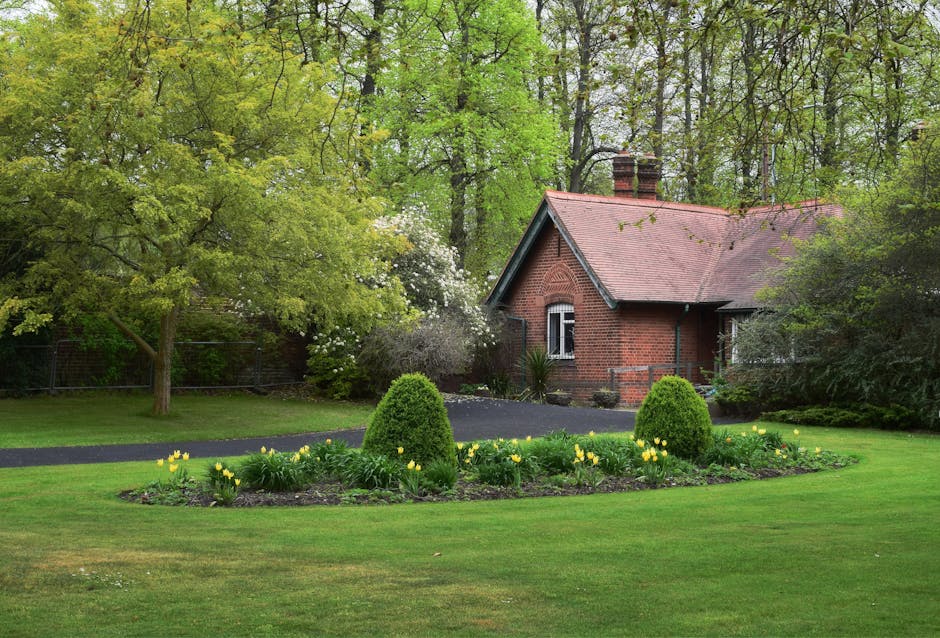
Cheam gardeners for small front gardens SM3 pricing guide
If you have a compact front garden in Cheam, you probably already know the strange little pressures it brings. It's the bit everyone sees first, it frames the house, and yet it can be awkward to maintain because the space is tight, the access is fiddly, and every square metre matters. This Cheam gardeners for small front gardens SM3 pricing guide is here to make sense of what affects price, what a sensible service should include, and how to compare quotes without getting lost in jargon.
Truth be told, small front gardens are often more demanding than they look. A quick tidy can be just that, or it can turn into edging, weeding, hedge trimming, lawn care, waste removal, and a bit of careful shaping so the entrance looks neat rather than overworked. Below, you'll find a practical breakdown of pricing, service choices, and the kinds of decisions that help you spend well rather than simply spend less.
Table of Contents
- Why this pricing guide matters
- How pricing for small front gardens works
- Key benefits and practical advantages
- Who this is for and when it makes sense
- Step-by-step guidance
- Expert tips for better results
- Common mistakes to avoid
- Tools, resources and recommendations
- Law, compliance, standards and best practice
- Options, methods and comparison table
- Case study or real-world example
- Practical checklist
- Conclusion
- Frequently asked questions
Why this pricing guide matters
Small front gardens in SM3 can look simple from the pavement, but pricing them accurately is where many homeowners get caught out. One gardener may quote for a basic tidy, while another includes weed removal, pruning, waste bagging, and shaping of the whole frontage. So you end up comparing apples with pears, and nobody enjoys that.
A good pricing guide matters because it helps you understand what you're actually buying. For a small front garden, the cost is usually influenced less by the overall size and more by the condition, access, and detail required. A tiny space with dense overgrowth, cracked paving, or lots of kerbside litter can take longer than a slightly larger garden that has been kept reasonably tidy. That's the real-world bit people sometimes miss.
It also matters because front gardens are often part of the first impression of a property. If the hedge is ragged, the border is full of weeds, or the lawn has gone patchy after a wet spell, the whole house can feel less cared for. A tidy front garden can quietly lift the appearance of the place without needing major landscaping. Not glamorous, maybe, but effective.
Expert takeaway: for small front gardens, price should reflect labour, access, and detail rather than just garden size. A fair quote is usually specific about what is included, what is not, and whether waste removal is covered.
If you're also looking at ongoing upkeep rather than a one-off tidy, it can be worth reviewing garden maintenance as a broader service option, because regular visits often work out better value than repeated rescue jobs.
How pricing for small front gardens works
For compact gardens, pricing is usually built around labour time and the type of work involved. That sounds obvious, but in practice it means the quote can move quite a bit depending on the shape of the garden and the job list. A simple lawn cut and edge tidy is one thing. A front garden with overgrown hedging, self-seeded weeds in gravel, and a need for debris clearance is another story entirely.
Most gardeners will estimate by asking a few key questions:
- How large is the front garden, and is it open or enclosed?
- What condition is it in right now?
- Does it need one-off work or regular visits?
- Will cuttings and waste need to be removed?
- Is there awkward access, steps, narrow side gates, or parking limits?
In practical terms, pricing often falls into one of a few patterns. Some jobs are priced as a minimum visit charge, especially if the garden is tiny but still takes travel time, setup, and disposal effort. Others are quoted hourly. For more predictable jobs, gardeners may give a fixed price after seeing photos or visiting the property. Fixed quotes can be very useful, provided the scope is clear.
You will notice that small front gardens often cost more per square metre than bigger ones. That's because the time does not shrink in proportion to the size. A gardener still needs to unload tools, collect waste, sweep down paths, and finish the edges neatly. The work is concentrated. Tiny, yes. Easy, not always.
If your front garden is part of a wider landscaping project, it may be helpful to look at landscaping or landscape gardening as these services can cover more than routine tidying and may be a better fit if you want to improve the layout or materials as well as the upkeep.
Key benefits and practical advantages
There's a strong practical case for hiring Cheam gardeners for small front gardens, especially if the space is visible from the street and gets untidy quickly. A well-kept entrance improves the feel of the whole property, and it can save you time every week. Many homeowners start with a one-off tidy, then realise the real value is in keeping the garden under control before it becomes a bigger job.
- Better curb appeal: neat edges, trimmed growth, and clean paving make a visible difference.
- Less weekend stress: you're not squeezing the same task into a Saturday morning every month.
- Safer access: cleared paths, removed trip hazards, and less overgrowth near doors and gates.
- More predictable costs: regular care is often easier to budget for than repeated emergency clear-ups.
- Better plant health: pruning, cutting, and proper seasonal care prevent overcrowding.
There's also a quieter benefit that people don't always mention: a tidy front garden changes how you feel when you come home. Sounds a bit sentimental, but it's true. A clean entrance, a clipped hedge, and a fresh edge along the path can make a house feel looked after. That matters.
For larger clear-outs before a fresh start, especially if the front garden has become more storage zone than garden, garden clearance may be the more suitable route.
Who this is for and when it makes sense
This guide is for homeowners, landlords, and letting agents who need realistic pricing for a small front garden in the SM3 area. It's also useful if you're preparing a property for sale, managing a rental between tenancies, or trying to keep a neat frontage without committing to full-scale garden work.
It tends to make sense in these situations:
- Your front garden is small but gets messy quickly because of weeds, leaves, or hedge growth.
- You want a one-off tidy before guests, photos, or a property viewing.
- You need regular low-maintenance help because you're short on time.
- You have mobility issues or simply don't want to handle pruning and heavy lifting yourself.
- You want a professional eye on a space that has become a bit lopsided or overgrown. Happens more often than people admit.
It may also be sensible if you've got a narrow frontage with an awkward shape, lots of hard landscaping, or mature plants that need careful handling. In those cases, the price may be a little higher than you expected, but that's usually because the work needs more finesse rather than brute force.
If your front garden includes lawn areas, even small ones, lawn mowing is a relevant service to factor in, especially when you're comparing maintenance bundles rather than a one-off tidy.
Step-by-step guidance
Here is the simplest way to approach a quote for a small front garden in Cheam. No mystery, no fluff.
- List the exact tasks you need. For example: mow, edge, weed, hedge trim, sweep, waste removal.
- Take clear photos in daylight. Stand back a little and show the whole area, not just the worst patch.
- Flag access issues. Mention narrow gates, parking restrictions, shared pathways, or steps.
- Ask whether waste removal is included. This can change the final cost quite a bit.
- Clarify whether it's a one-off or recurring visit. Frequency affects pricing and may unlock better value.
- Ask what finish level you're getting. "Tidy up" and "full front garden refresh" are not the same thing.
- Compare like for like. If one quote includes hedging and disposal while another does not, don't treat them as equal.
A helpful way to think about it is this: the cheapest quote is not always the best value, and the priciest one is not automatically better either. What matters is whether the gardener has understood the actual job. A decent quote usually feels specific, not vague.
If you want a broader view of the provider's service range, services overview is a useful place to see how front garden work sits alongside other outdoor maintenance options.
Expert tips for better results
One of the biggest money-savers is to keep the brief tight. Small front gardens are easy to over-specify, which can push up the price for no good reason. If all you need is a sharp, clean frontage, say that plainly. Don't ask for "a bit of everything" unless you mean it. That phrase has a way of growing arms and legs.
Another smart move is to choose maintenance timing carefully. A tidy-up after a long dry spell is usually easier than dealing with compacted weeds after weeks of rain. In late spring and early autumn, small front gardens can look immaculate with relatively little effort. In the middle of winter, the same space may only need pruning, leaf clearance, and a tidy edge. Seasonal timing matters more than many people realise.
Here are a few practical habits that keep costs under control:
- Remove loose pots, bikes, bins, and clutter before the gardener arrives.
- Tell the gardener about hidden drains, cables, or fragile paving.
- Book maintenance before the garden becomes heavily overgrown.
- Ask for a regular visit schedule if the space tends to get untidy fast.
- Keep a simple record of what work was done last time so the next visit is more efficient.
Regular upkeep often beats "heroic" clean-ups. That's the honest truth. If the job is always left to the point where it feels overwhelming, the quote will usually reflect the extra time and disposal effort.
Common mistakes to avoid
A lot of avoidable pricing problems come down to unclear expectations. The work itself is not complicated, but the details matter.
- Assuming all small gardens cost the same. A tiny garden with dense growth can take longer than a larger, tidy one.
- Not asking about waste removal. Green waste, soil, and cuttings can change the total cost.
- Comparing vague quotes. If one quote says "tidy front garden" and another says "edge, weed, trim hedge, remove waste," they are not equal.
- Leaving access problems out of the briefing. Narrow side returns and poor parking can add time.
- Ignoring seasonal growth. Some jobs balloon in peak growing months, especially hedging and border maintenance.
- Chasing the lowest price only. A rushed job can leave you with uneven edges, missed weeds, or a garden that looks tidy for a day and then goes back to square one.
Another common mistake is overthinking it. People sometimes spend days comparing quotes for a garden that really just needs a straightforward, honest bit of work. A clear brief and a sensible budget usually do more good than endless spreadsheet behaviour. We all know that person, maybe it's even us.
Tools, resources and recommendations
For homeowners wanting to understand pricing better, the most useful "resources" are often practical rather than technical. Good photos, a simple list of tasks, and a clear idea of how often you want the garden maintained will tell a gardener far more than a vague description ever could.
It also helps to think in terms of service type. A small front garden might need one of several approaches:
- Quick tidy: light weeding, sweeping, and a small amount of trimming.
- Seasonal refresh: tidy-up plus hedge shaping, border work, and waste removal.
- Regular maintenance: a repeat service that keeps the garden looking neat without big catch-up jobs.
- Makeover support: a more considered visit if the space needs a better layout or new planting plan.
If your garden has hedges, shrubs, or boundary plants that are starting to crowd the entrance, hedge trimming is one of the most common add-on services and can make a disproportionate visual difference. One careful cut and suddenly the whole frontage breathes again.
And if you're looking at improvements beyond maintenance, decking services may be relevant for more ambitious front or side garden changes where hard landscaping becomes part of the plan.
Law, compliance, standards and best practice
For most small front garden jobs, the main compliance considerations are straightforward but still worth handling properly. Gardeners should work safely, manage waste responsibly, and take reasonable care around paths, walls, driveways, and shared access areas. In the UK, that usually means sensible risk awareness rather than anything dramatic.
As a homeowner, you do not usually need to manage technical compliance yourself, but it is sensible to ask whether the gardener carries appropriate insurance and follows safe working practices. This becomes especially relevant if tools, ladders, or powered equipment are being used near entrances or public-facing areas.
Best practice typically includes:
- clear communication before work starts
- safe handling of tools and cuttings
- careful attention to trip hazards
- responsible disposal or recycling of green waste
- respect for neighbouring properties and shared boundaries
If you're comparing providers, it is perfectly reasonable to ask about insurance and safety. A professional outfit should be comfortable discussing this. You can also review insurance and safety for a sense of how a service approaches risk and workmanship.
Waste handling is another area where good practice matters. Green waste should not be treated as an afterthought. If a job leaves the bags by the gate and calls it done, that's not ideal. You want a finish that looks finished.
For providers with a broader commitment to responsible operations, recycling and sustainability can be a reassuring part of the picture, especially where plant waste and material reuse are involved.
Options, methods and comparison table
When people ask about pricing for small front gardens, they are often really asking which type of service gives the best value. The answer depends on what shape the garden is in, how often you want it maintained, and whether you care most about cost, convenience, or appearance.
| Option | Best for | Typical strengths | Possible drawbacks |
|---|---|---|---|
| One-off tidy | Quick reset before guests, photos, or a sale | Fast, simple, immediate visual improvement | Can become repetitive if the garden regrows quickly |
| Regular maintenance | Busy households and landlords | Predictable cost, consistent finish, less stress | Requires ongoing booking and a set routine |
| Garden clearance | Overgrown or neglected front gardens | Big transformation, removes accumulated mess | Usually costs more than a basic tidy |
| Landscape or design-led work | Front gardens needing a new layout or upgraded finish | Longer-term improvement, better structure | Higher investment and more planning |
For many SM3 homeowners, regular maintenance ends up being the most economical route over time. But if the frontage has been ignored for a while, a clearance visit may be the only sensible starting point. There's no shame in that. Gardens get away from people. It happens.
Case study or real-world example
Imagine a typical small front garden in Cheam: a narrow lawn strip, two shrubs by the path, a low hedge near the bay window, and weeds pushing through the edging. It looks manageable from the road, but the little jobs add up quickly. The homeowner wants it looking smart before the weekend and asks for a quote.
The gardener spots a few things immediately from the photos: the hedge needs shaping, the lawn needs cutting and edging, the border weeds will take a proper hand clear, and there's green waste to remove. Access is okay, though the side gate is narrow and parking is limited for a short stretch outside. The quote comes back as a fixed price rather than hourly, because the job scope is clear enough to estimate properly.
That kind of job is a very common pattern. The first visit often takes longer than the homeowner expects, not because the garden is huge, but because the details matter. The second or third visit is usually quicker, especially if it becomes part of regular maintenance. In plain English: once the garden is under control, keeping it there is cheaper than dragging it back from the brink every few months.
When you compare quotes like this, the best one is not always the cheapest. It is often the one that understands the job properly and gives you a finish that looks neat from the pavement and close up. That's what most people want, really.
Practical checklist
Use this checklist before requesting a price for a small front garden in SM3.
- Take clear photos of the whole garden in daylight.
- Write down the exact tasks you want done.
- Note any access issues, parking limits, or shared pathways.
- Decide whether you want a one-off tidy or regular maintenance.
- Ask whether waste removal is included in the price.
- Check whether hedges, shrubs, or lawn work are part of the quote.
- Confirm the expected finish level, not just the task list.
- Compare quotes on the same scope of work.
- Ask about insurance and safety if tools or ladders are involved.
- Choose the option that gives you a neat, lasting result, not just the lowest number.
If you want to keep the garden under control after the first visit, a maintenance plan is usually easier on both the budget and the nerves. Sounds simple, but simple is often the right answer.
Conclusion
Small front gardens can be deceptively high-impact spaces. They are visible every day, they influence how a property feels, and they often need a little more care than their size suggests. A good Cheam gardeners for small front gardens SM3 pricing guide should help you understand that pricing is about time, access, condition, and finish quality-not just square footage.
If you remember one thing, let it be this: ask for a clear scope, compare like for like, and choose the service that solves the actual problem in front of you. Whether you need a quick tidy, a proper clearance, or regular maintenance, the right approach should leave your frontage looking calm, neat, and cared for. And honestly, that small bit of calm at the front of the house can make the whole place feel better.
If you're ready to move from comparing to acting, speak to a local team that can assess the space properly and give you a straightforward, itemised figure. Get a free quote today and see how much you can save.
A tidy front garden is never just a tidy front garden. It's the first hello your home gives the world.
Frequently Asked Questions
How much does a small front garden usually cost to maintain in Cheam?
It depends on the amount of work, the garden's condition, and whether waste removal is included. A small space may still need edging, trimming, weeding, and sweeping, so the price reflects labour rather than just size.
Why are small front gardens sometimes more expensive per square metre?
Because the fixed parts of the job still happen no matter how small the space is. Travel, setup, access, tidying, and waste handling all take time. Tiny gardens can be fiddly, which pushes up the cost per area.
Is a one-off tidy or regular maintenance better value?
Regular maintenance is often better value if the garden grows quickly or needs a neat appearance all year. A one-off tidy is better if you only need a reset for a specific occasion or before moving house.
What should I send when asking for a quote?
Good photos, the tasks you need, and any access notes are the most helpful starting point. If you have a narrow gate, limited parking, or a lot of hedge growth, say so early.
Does waste removal affect the price?
Yes, it often does. Green waste collection, bagging, and disposal can add cost and time. Always check whether the quote includes removal or only the labour on site.
Can a gardener trim hedges in a small front garden as part of the same visit?
Usually yes, provided it is discussed in advance. Hedge work is common in front gardens and can have a big visual impact. If the hedge is overgrown, mention it when requesting the quote.
What is the difference between garden clearance and maintenance?
Garden clearance is usually for neglected, overgrown, or cluttered spaces that need a bigger reset. Maintenance is for keeping a garden tidy once it is already under control. The pricing and time involved are usually quite different.
How do I know if a quote is fair?
A fair quote should explain what is included, whether waste is removed, and what finish you can expect. If the details are vague, ask for clarification before comparing the price.
Do I need to be home during the work?
Not always, but it can help if access needs to be arranged or the job requires a quick decision on site. Some homeowners prefer to leave instructions and return later to a finished garden. Perfectly normal.
What if my front garden is mostly hard landscaping rather than planting?
Then the job may involve sweeping, weed control, pressure-free cleaning, edging, and perhaps plant care around the boundaries. It is still worth getting a quote because hard surfaces can take just as much attention as planting beds.
Can a small front garden be improved without a full redesign?
Absolutely. Often the biggest gains come from trimming, shaping, clearing weeds, and simplifying the layout. You do not always need a complete redesign to make the space look smart.
What should I ask before booking a gardener?
Ask what the price includes, how waste is handled, whether the service is one-off or ongoing, and whether the gardener has appropriate insurance. Those are the questions that save the most trouble later.
For more background on the company behind the work, you can also visit about us or use the secure contact page when you're ready to discuss your garden.
And if you want to understand the wider approach to payments, data handling, and service terms before booking, it can be helpful to review payment and security alongside the terms and conditions. A little clarity up front saves hassle later, as you'd expect.